

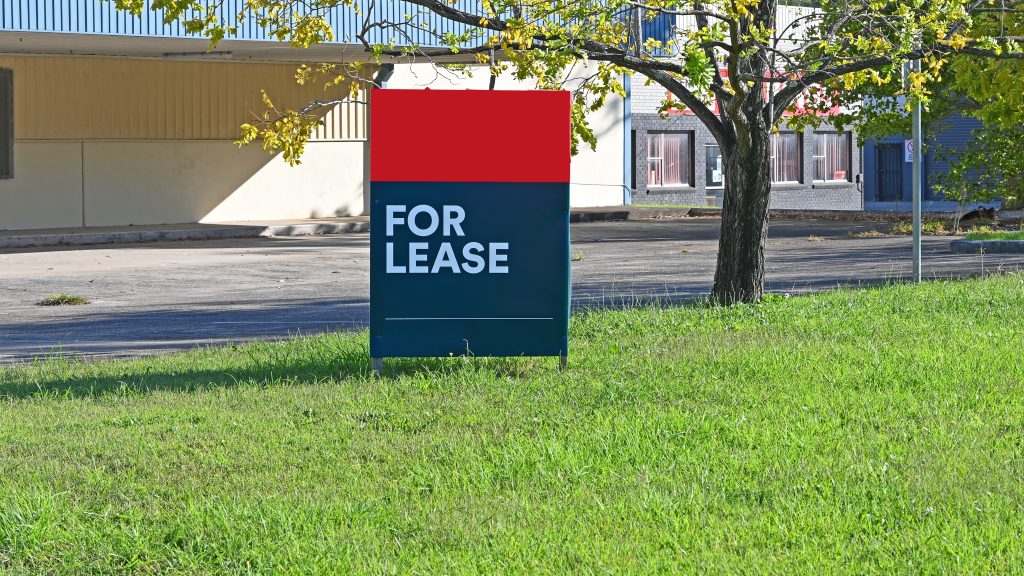
A commercial lease is a legally binding agreement between a landlord/lessor and a tenant/lessee, setting out the terms under which the tenant/lessee occupies commercial premises.
Termination of such a lease can occur in several circumstances, each governed by the lease terms and relevant legislation.
Expiry of the Lease Term
The most straightforward method of termination is upon expiry of the fixed term specified in the lease. Unless the lease provides for an option to renew or extend, the tenant must vacate the premises at the end of the term.
Mutual Agreement
A lease may be terminated at any time if both parties consent, usually documented in a deed of surrender.
Breach of Lease
If either party breaches a fundamental term of the lease, the non-breaching party may have the right to terminate. For example, a landlord may terminate for non-payment of rent or unauthorised use of premises, typically after serving a notice to remedy breach as required under the lease and the Conveyancing Act 1919 (NSW).
Statutory Rights
Certain statutory provisions, such as insolvency or compulsory acquisition, may also give rise to termination rights.
It is essential to review the specific lease terms and seek professional guidance before taking steps to terminate a commercial lease.
For an obligation free discussion please contact our office on 1800 180 500 or email reception@mcauleylawyers.com.au
The information in this publication is of a general nature and is not intended to address the circumstances of any particular individual or entity. Although we endeavour to provide accurate and timely information, we do not guarantee that the information in this publication is accurate at the date it is received or that it will continue to be accurate in the future. We are not responsible for the information of any source to which a link is provided or reference is made and exclude all liability in connection with use of these sources. If you do not wish to receive newsletters from us, please let us know.